
 Flower Insights
What Are Terpenes? A Beginner’s Guide
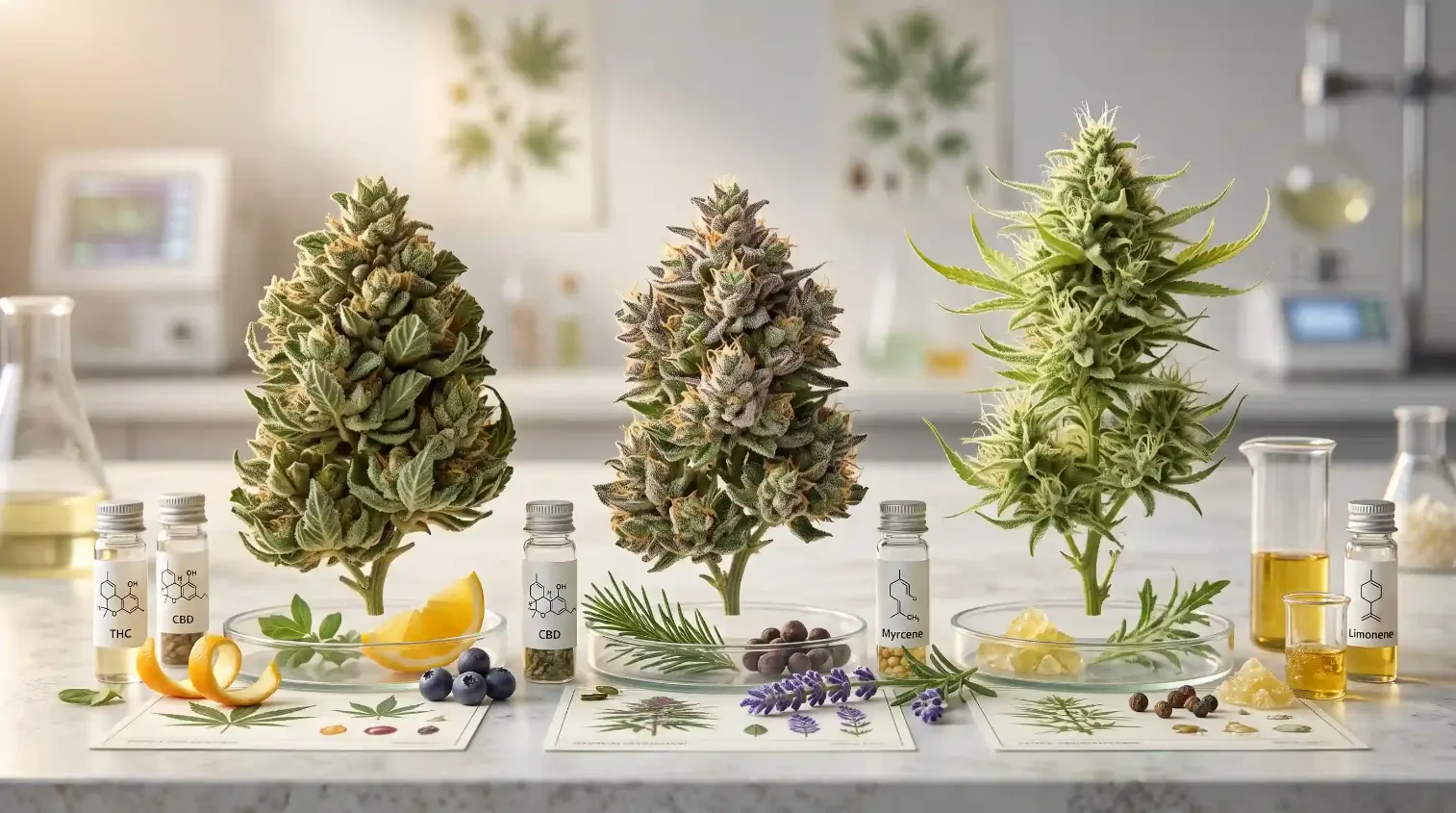
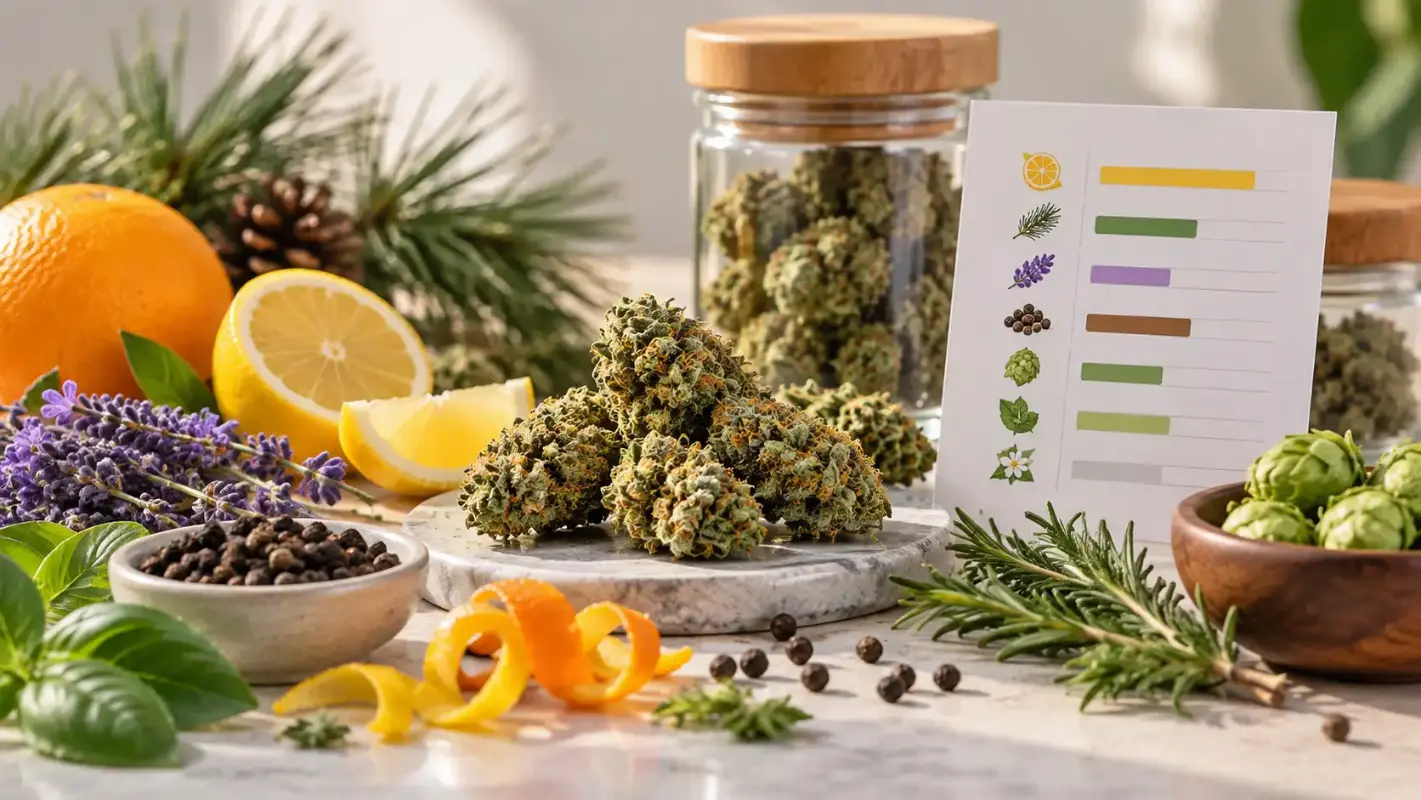
Terpenes are natural compounds that give cannabis its distinct aroma and flavor. They are also found in many other plants, fruits, herbs, and flowers. In cannabis, terpenes help create the unique character of different strains and products. They are not the same as THC or CBD, and they do not produce the typical cannabis high on their own. If you have ever noticed citrus, pine, floral, earthy, or spicy notes in cannabis, you have already experienced terpenes. However, there is more to these aromatic compounds than smell and taste. This guide explains what terpenes are, what they do, and how terpene profiles can help you better understand cannabis products. Keep reading to learn how terpenes fit into the bigger picture of the cannabis experience. Why Do Terpenes Matter in Cannabis? Terpenes help shape the aroma and flavor that make different cannabis products distinct. Their composition can vary based on genetics, cultivation, harvesting, processing, and storage. As a result, two products can have noticeably different profiles even when they share similar cannabinoid content. Terpenes may also be relevant when we look beyond the aroma and flavor. A 2023 proof-of-concept study examined 6,309 cannabis-use sessions involving 633 different flower products. The researchers found differences in reported outcomes across cannabis products with different combinations of THC, CBD, and terpenes. However, the study did not prove that a particular terpene caused a specific effect, so more controlled research is still needed. This is why terpene information can add useful context when comparing cannabis. Instead of looking only at THC percentage or CBD content, we can also consider the product's terpene composition. When exploring products from trusted brands , terpene profiles can give us another way to understand their aroma, flavor, and overall chemical makeup. The 7 Common Cannabis Terpenes to Know Cannabis contains many different terpenes, but several appear regularly in cannabis flower and product profiles. Their aromas can range from citrus and pine to floral, earthy, herbal, and spicy. A study published in Separations notes that approximately 150 terpenes have been identified in cannabis, highlighting the plant’s diverse terpene composition. Learning these seven gives beginners a practical starting point for reading terpene labels and comparing products. However, a cannabis product’s aroma does not come from one terpene alone. Instead, multiple terpenes and other volatile compounds can contribute to its overall scent and flavor profile. 1. Myrcene Myrcene is one of the most commonly identified terpenes in cannabis. It has an earthy, musky, herbal, and sometimes fruity aroma. It also occurs naturally in plants such as hops, basil, and lemongrass. If you enjoy deeper, earthy cannabis aromas, myrcene is a useful terpene to recognize on a product label. 2. Limonene Limonene is best known for its bright citrus aroma. It naturally occurs in citrus fruits, including lemons and oranges. In cannabis, it can contribute lemon, orange, fresh, and sweet notes to the aroma and flavor profile. If you prefer bright, citrus-forward cannabis profiles, limonene is one of the names worth remembering when reading a terpene label. 3. Pinene Pinene produces a fresh, pine-like aroma that resembles coniferous trees. It occurs naturally in many plants, including rosemary and basil. Cannabis can contain both alpha-pinene and beta-pinene, which may contribute piney, woody, resinous, and fresh notes. Seeing either one on a terpene profile can help you recognize a more forest-like aroma. 4. Linalool Linalool has a soft floral aroma that many people associate with lavender. It also occurs naturally in plants such as lavender and coriander. In cannabis, linalool can contribute floral, sweet, and lightly herbal characteristics to the aroma profile. If you enjoy lavender-like or lightly sweet aromas, linalool is a useful terpene to look for on a product label. 5. Caryophyllene Caryophyllene has a distinct spicy, peppery, and woody aroma. It is also found naturally in black pepper, cloves, and other plants. In cannabis, beta-caryophyllene is one of the commonly measured sesquiterpenes and can contribute spicy and clove-like notes. Beta-caryophyllene is a useful name to remember if you prefer peppery or spice-forward aromas. You may also see it listed specifically as beta-caryophyllene on cannabis testing results. 6. Humulene Humulene has an earthy, woody, and slightly hoppy aroma. It is also naturally present in hops, which helps explain its familiar connection to hop-like scents. In cannabis, humulene can contribute earthy and woody characteristics to the overall aroma profile. If you are familiar with the aroma of hops, that comparison can make humulene easier to recognize. It is one of the terpene names worth noting when comparing earthy cannabis profiles. 7. Terpinolene Terpinolene has a more complex aroma than some of the other common cannabis terpenes. Its profile can include floral, herbal, citrus, fresh, sweet, and pine-like notes. These overlapping characteristics can make terpinolene difficult to identify by smell alone. Understanding these common terpenes can make it easier to recognize differences between cannabis products. For more information about product quality, see our guides on how to assess cannabis flower quality and how to store cannabis flower properly . Do Terpenes Get You High? Terpenes vs. THC No, terpenes do not get you high in the same way THC does. Terpenes are aromatic compounds, while THC is the primary intoxicating cannabinoid in cannabis. Therefore, smelling or consuming a terpene does not create the typical high associated with THC. However, terpenes still add useful context when comparing cannabis products. Terpenes can help explain why cannabis products have different aroma and flavor profiles, even when their cannabinoid measurements look similar. Compound Main role Intoxicating? Terpenes Aroma, flavor, and plant chemistry No THC Produces the typical cannabis high Yes CBD Non-intoxicating cannabinoid No For example, two cannabis flowers could have similar THC percentages but very different terpene compositions. One might have a citrus-forward profile, while another has earthy or spicy notes. Their overall experiences may differ, but you should not assume that the terpene profile alone explains the difference. When reading a label, treat THC, CBD, and terpene information as separate measurements. A terpene percentage describes the amount detected in the tested sample, not the product's THC potency. The Entourage Effect: Terpenes and Cannabinoids The entourage effect describes the idea that cannabis compounds may interact rather than acting completely independently. This concept includes cannabinoids such as THC and CBD, along with terpenes and other plant compounds. It is useful for understanding why cannabis is often discussed as a combination of compounds rather than a single ingredient. Cannabis products contain different combinations and concentrations of compounds. The entourage effect therefore describes a broader idea about cannabis chemistry rather than a fixed formula for comparing products. When considering the relationship between terpenes and cannabinoids, keep these points in mind: THC: A major cannabinoid responsible for cannabis intoxication. CBD: A non-intoxicating cannabinoid with its own properties. Terpenes: Aromatic compounds that contribute to cannabis aroma and flavor. Other compounds: Cannabis contains additional plant compounds that contribute to its overall chemical profile. Individual response: The same product may feel different from one person to another. How to Read a Cannabis Terpene Profile A cannabis terpene profile shows which terpenes are present in a product and, when testing provides it, their relative concentrations. You may find this information on a cannabis product label, certificate of analysis, or laboratory test. Reading the profile can help you understand the product's aroma, flavor, and overall chemical composition. What Does “Dominant Terpene” Mean? A dominant terpene is generally the terpene present at the highest concentration in a tested cannabis sample. For example, if myrcene is listed as dominant, it is the terpene that appears at the highest measured level. If you are exploring concentrates, proper storage is equally important for preserving their aroma and quality. Learn more about how to store cannabis concentrates properly . What Do Terpene Percentages Tell You? Terpene percentages indicate how much of a particular terpene was detected in the tested sample. A higher percentage generally means that terpene makes up a larger share of the measured terpene content. However, the number should not be confused with THC potency or the strength of the cannabis high. When comparing products, look at the profile as a whole. A product with several moderately represented terpenes can have a very different aroma from one dominated by a single compound. Terpenes vs. THC and CBD on a Product Label Cannabis labels can show several different measurements, and each one tells you something different. THC percentage gives you information about cannabinoid potency. CBD content tells you how much CBD the product contains. Terpene information adds another layer by showing part of the product's aromatic and chemical profile. These measurements answer different questions. THC and CBD describe cannabinoid content, while terpene information describes part of the product's aromatic profile. How to Choose Cannabis Based on Terpenes You do not need to become a cannabis chemistry expert to use terpene information. Start with the aromas and flavors you already enjoy, then compare the terpene profiles of products that catch your attention. Over time, you may notice patterns that help you identify your preferred profiles. A simple approach: Citrus: Look for limonene. Pine: Look for pinene. Floral: Look for linalool. Peppery or spicy: Look for caryophyllene. Earthy or herbal: Look for myrcene or humulene. These pairings describe aroma and flavor characteristics, not guaranteed effects. Your own preferences can become more useful over time. If you enjoy a product with a particular aroma, check its terpene profile and look for similar combinations in future products. This gives you a practical way to explore cannabis without relying on strain names alone. If you want help comparing terpene profiles, connect with a knowledgeable budtender at Dispo to explore products based on your aroma and flavor preferences. How Storage and Processing Can Affect Terpenes Terpenes are volatile compounds, which means they can change or evaporate when exposed to certain conditions. Heat, light, oxygen, and time can all affect terpene content. Processing can also change the final terpene profile of a cannabis product. This matters because changes in terpene content can affect the product's original aroma and flavor. Proper handling can therefore help preserve the qualities you expect from terpene-rich cannabis. To help preserve terpenes, pay attention to: Heat: Avoid excessive temperatures. Light: Keep cannabis away from prolonged direct light. Air: Limit unnecessary exposure to oxygen. Storage: Use an appropriate, well-sealed container. Time: Even properly stored cannabis can change over time. The goal is not to preserve every terpene indefinitely. Instead, good storage helps slow unnecessary terpene degradation and maintain the product's aroma and flavor for longer. The Bottom Line: Look at the Whole Cannabis Profile Terpenes give cannabis much of its recognizable aroma and flavor. Learning a few common terpenes can also make product labels easier to understand and compare. You can use that information to identify profiles that match your personal preferences. You do not need to memorize every terpene or focus on a single percentage. Start with the aromas you enjoy and use terpene information as one part of your product comparison. Find a local Dispo dispensary near you in Michigan to explore available products and find a terpene profile that matches your preferences. Frequently Asked Questions About Terpenes Where Can You Find Terpene Information? Terpene information may appear on cannabis product labels, laboratory test results, or certificates of analysis. Availability and the amount of detail can vary by product and market. When the information is provided, it can help you compare the aromatic profiles of different products. Does a Higher Terpene Percentage Mean Stronger Cannabis? No. Terpene percentage and THC percentage measure different things. A higher terpene concentration does not automatically mean a stronger cannabis experience. Terpene levels mainly give you more information about the product's aromatic profile. Can Two Cannabis Products Have Different Terpene Profiles? Yes. Cannabis products can contain different combinations and concentrations of terpenes. Even products with the same strain name can have different profiles depending on the plant material and production process. Do All Cannabis Products List Terpenes? Not always. Some cannabis products provide detailed terpene information, while others may list only cannabinoid content. When terpene data is available, it can provide additional information about the product's aroma and flavor profile. References: Becker, L., & Holtmann, D. (2024). Anti-inflammatory effects of α-humulene on the release of pro-inflammatory cytokines in lipopolysaccharide-induced THP-1 cells. Cell Biochemistry and Biophysics, 82 , 839–847. https://doi.org/10.1007/s12013-024-01235-7 Behr, A., & Johnen , L. (2009). Myrcene as a natural base chemical in sustainable chemistry: A critical review. ChemSusChem , 2 (12), 1072–1095. https://doi.org/10.1002/cssc.200900186 Kaur, J., Sun, N., & Hill, J. E. (2023). Comprehensive profiling of terpenes and terpenoids in different cannabis strains using GC × GC-TOFMS. Separations, 10 (9), 500. https://doi.org/10.3390/separations10090500 Menezes, I. O., Scherf, J. R., Bezerra Martins, A. O. B. P., Ramos, A. G. B., Quintans, J. de S. S., Coutinho, H. D. M., Ribeiro-Filho, J., & de Menezes, I. R. A. (2021). Biological properties of terpinolene evidenced by in silico , in vitro and in vivo studies: A systematic review. Phytomedicine, 93 , 153768. https://doi.org/10.1016/j.phymed.2021.153768 R ahimi, V. B., & Askari, V. R. (2022). A mechanistic review on immunomodulatory effects of selective type two cannabinoid receptor β-caryophyllene. BioFactors , 48 (4), 857–882. https://doi.org/10.1002/biof.1869 Raz, N., Eyal, A. M., Berneman Zeitouni, D., Hen-Shoval, D., Davidson, E. M., Danieli, A., Tauber, M., & Ben-Chaim, Y. (2023). Selected cannabis terpenes synergize with THC to produce increased CB1 receptor activation. Biochemical Pharmacology, 212 , 115548. https://doi.org/10.1016/j.bcp.2023.115548 Roell, M.-S. (2020). Terpenes in cannabis: Solving the puzzle of how to predict taste and smell. Plant Physiology, 184 (1), 8–9. https://doi.org/10.1104/pp.20.00919 Spindle, T. R., Zamarripa, C. A., Russo, E., Pollak, L., Bigelow, G., Ward, A. M., Tompson, B., Sempio , C., Shokati , T., Klawitter, J., Christians, U., & Vandrey, R. (2024). Vaporized D-limonene selectively mitigates the acute anxiogenic effects of Δ9-tetrahydrocannabinol in healthy adults who intermittently use cannabis. Drug and Alcohol Dependence, 257 , 111267. https://doi.org/10.1016/j.drugalcdep.2024.111267 Vigil, J. M., Stith, S. S., Brockelman, F., Keeling, K., & Hall, B. (2023). Systematic combinations of major cannabinoid and terpene contents in Cannabis flower and patient outcomes: A proof-of-concept assessment of the Vigil Index of Cannabis Chemovars. Journal of Cannabis Research, 5 , Article 4. https://doi.org/10.1186/s42238-022-00170-9 Weston-Green, K., Clunas , H., & Jimenez Naranjo, C. (2021). A review of the potential use of pinene and linalool as terpene-based medicines for brain health: Discovering novel therapeutics in the flavours and fragrances of cannabis. Frontiers in Psychiatry, 12 , 583211. https://doi.org/10.3389/fpsyt.2021.583211